Sourcing
How to choose a private-label clothing manufacturer
A practical checklist for brands comparing private-label apparel suppliers, covering specs, sampling, labeling, and questions that actually change the outcome.
Urban Stitch Wear editorial · Published 12 March 2026 · Updated 12 March 2026
Start with the garment, not the supplier pitch
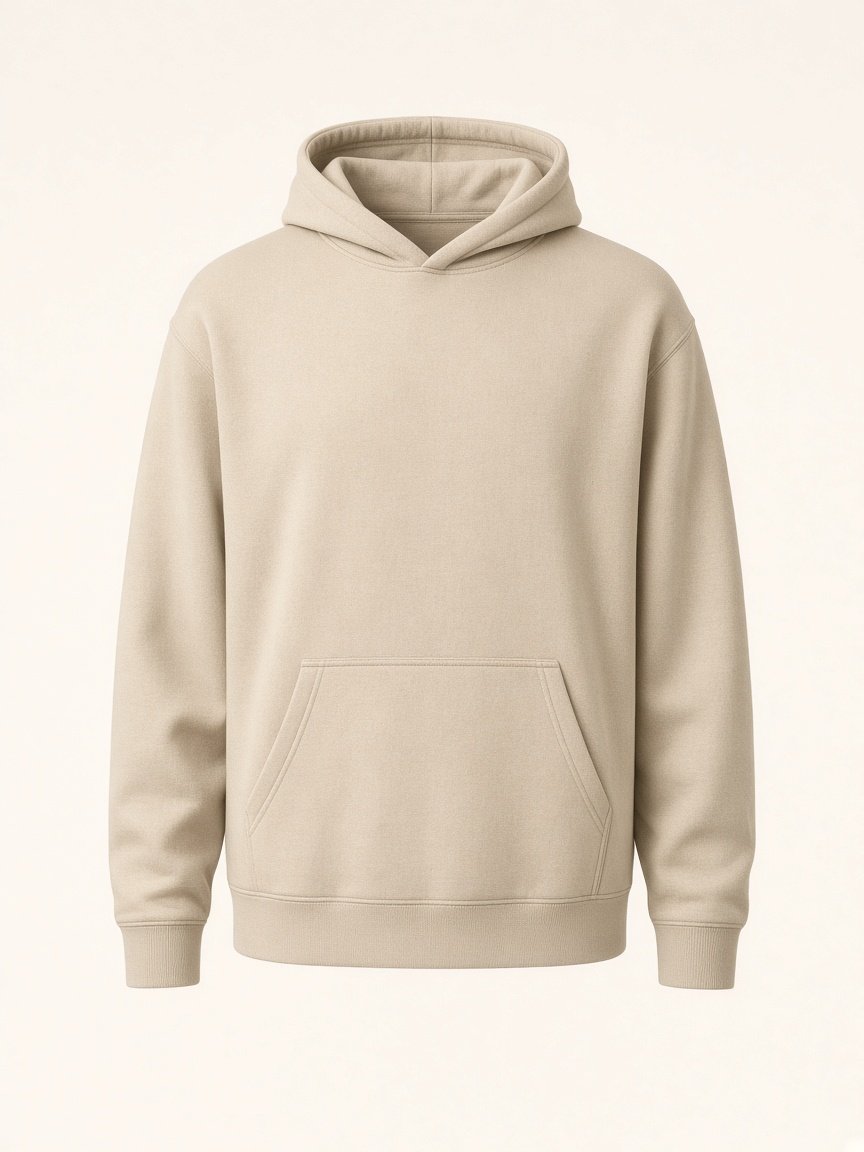
Private-label clothing fails most often because the buyer and the factory never agreed the same product. Before you compare manufacturers, write down the silhouette, intended fit, fabric family, target market, and whether you need a blank garment or a fully branded one.
A supplier that can talk clearly about rib, GSM, shrinkage, and labeling is usually more useful than a supplier that only talks about being global or cheap. Urban Stitch Wear treats private-label work as a specification conversation first.
Ask for the process, not a slogan
Useful questions include: How do you review a tech pack? When is a sample required? Who approves measurements? What happens if the bulk fabric is not the same as the sample? How are labels and packing confirmed?
Avoid treating certificates, factory photos, or claimed capacity as proof unless you can verify them. If a supplier cannot explain how quality is checked, the rest of the brochure does not matter.
Sampling is a decision tool, not a formality
A sample lets you judge hand-feel, fit, print or embroidery quality, and whether the factory understood your notes. It is not a guarantee that bulk will match, but it is the main chance to catch a wrong neck drop, short sleeve, or harsh fleece before you commit quantity.
If you skip sampling to save time, you are betting that written notes will be interpreted the same way by a pattern maker you have not met.
Labeling and market requirements
Private-label garments usually need a brand label and a care/content label that matches the destination market. Fiber content, country-of-origin statements, and care symbols are legal issues in many markets. Ask who prepares that copy and who is responsible if it is wrong.
A short comparison list
Compare suppliers on: clarity of questions they ask you, willingness to say when a method is not confirmed, sample discipline, communication speed, and whether pricing is tied to a written spec. Do not compare them on unverified production numbers.
When you are ready, send a focused inquiry rather than a one-line “need hoodies.” The more complete the brief, the more useful the reply.
Continue on the site
Have a specification ready?
Send the garment type, quantity, destination, and any tech pack or artwork. A form submission is a manufacturing inquiry, not an order.
Request a manufacturing quote